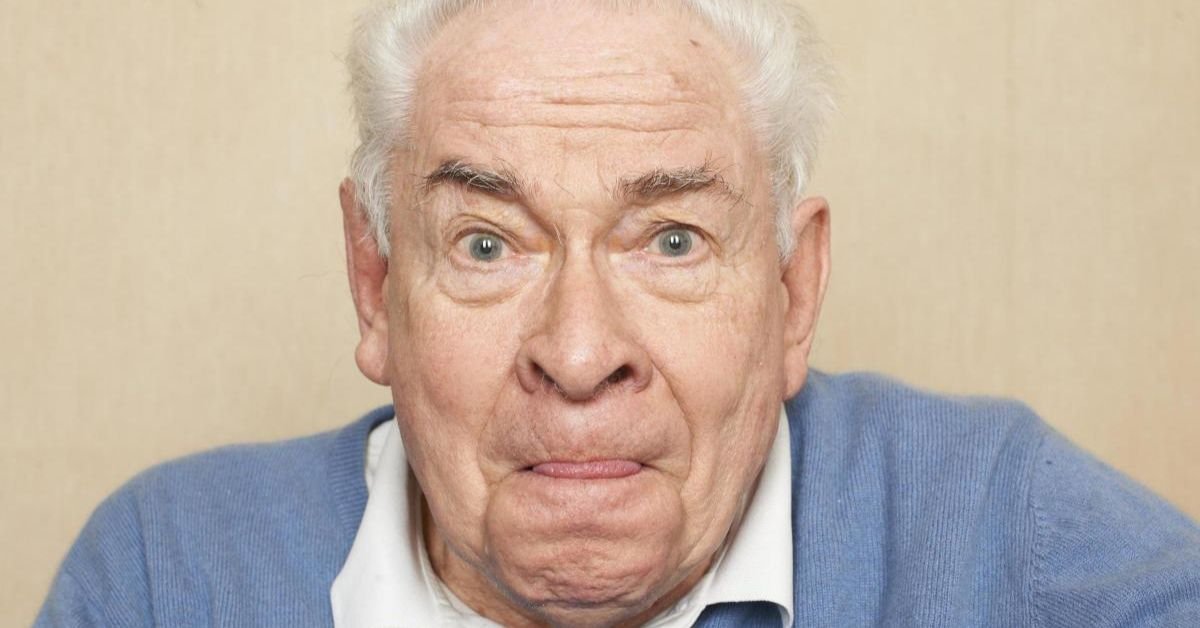

The passing of Scottish comedy legend Stanley Baxter at age 99 marks the end of an era. For more than seven decades, he entertained Britain with unmatched versatility, sharp satire, and a gift for impressions that turned everyday quirks into timeless comedy. As fans revisit his most iconic moments, many are also reflecting on the quiet financial footprint he left behind. At the time of his death, Baxter’s net worth was estimated at around £7.8 million ($10 million USD), a sum built through consistent, high-quality work rather than celebrity spectacle.
A Career That Defined British Sketch Comedy
Baxter’s journey began early, debuting on BBC Scotland’s Children’s Hour in the 1930s before moving through theatre, radio, and post-war revues. His breakthrough came with On the Bright Side in 1959, which earned him his first BAFTA and introduced audiences to his remarkable range.

His signature parodies and character-driven sketches found a permanent home in The Stanley Baxter Show through the 1960s and early 1970s, followed by The Stanley Baxter Picture Show and a string of lavish ITV specials. Baxter became known for witty lampoons of Hollywood epics, pitch-perfect impressions of public figures, and the now-legendary Parliamo Glasgow sketches that celebrated Scottish humor with affectionate exaggeration.

Throughout the 1980s and 1990s, he stayed active with Christmas specials, radio performances, pantomime roles, and children’s television, including Mr Majeika. Even late in life, his influence was honored with a BAFTA Scotland Outstanding Contribution award in 2020.

How He Built His Wealth
Baxter’s estimated £7.8 million net worth stemmed from a long, steady career rather than modern-day endorsement deals. Residuals from BBC and ITV reruns, royalties from sketches still streamed today, and lucrative theatre runs kept his income stable. During his peak decades, he reportedly earned up to £100,000 a year from stage work alone, while film roles in classics such as Geordie and The Fast Lady helped diversify his portfolio.

He lived modestly, maintaining a longtime flat in North London and avoiding flashy purchases. Baxter preferred privacy to publicity, which allowed his fortune to grow quietly and sensibly.
A Personal Story of Strength and Grace
Away from the spotlight, Baxter faced private struggles with honesty and dignity. His marriage to actress Moira Robertson lasted until her death in 1997, and in his 2020 biography, he spoke openly for the first time about the pressures of hiding his sexuality during a harsher era. Fans embraced his candor, admiring both his courage and gentleness.
Remembering a Legend
Today’s tributes from theatre groups, comedians, broadcasters, and generations of fans underscore the profound mark he left on British comedy. His wit, precision, and warmth continue to inspire. Baxter may be gone, but the echoes of laughter he sparked remain unmistakably his.
