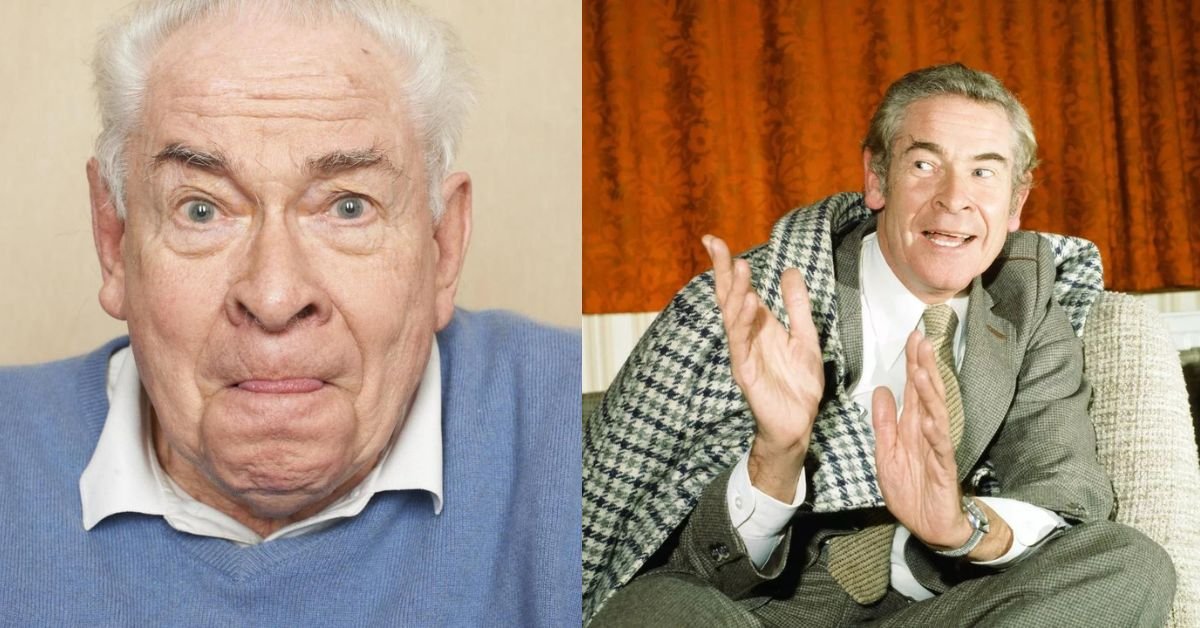

Scottish comedy icon Stanley Baxter, who passed away at 99, left behind a legacy defined by fearless satire, razor-sharp wit, and unforgettable drag performances. Yet for much of his life, one part of his story remained locked away from public view. In his later years, Baxter finally spoke openly about his sexuality, offering a rare glimpse into the private struggles behind a brilliant career.
Baxter Confirms His Identity in His 2020 Biography
In The Real Stanley Baxter, the authorised biography released in 2020 and co-written with journalist Brian Beacom, Baxter revealed that he was gay. He also shared that he had told his wife, actress Moira Robertson, before they married in 1951. Their marriage endured for 46 years until her death in 1997, a partnership rooted in honesty and mutual respect despite the personal complexities they navigated.

For Baxter, acknowledging his identity publicly came only after decades of living through an era when being gay carried profound risks — legally, professionally, and socially.

A Life Shaped by Secrecy and Social Pressure
Baxter’s reflections in the biography shed light on the emotional weight he carried. He wrote candidly about not wanting to be gay, not out of shame for who he was, but because of the “very difficult life” forced upon gay men throughout much of the 20th century.

“Anybody would be insane to choose to live such a very difficult life,” he said, capturing the fear, stigma, and silence that defined the time. His honesty resonates now, offering a window into what many performers of his generation endured while trying to protect their careers and loved ones.

Privacy in the Spotlight
Although he was one of Britain’s biggest television stars in the 1960s and 1970s, Baxter fiercely guarded his personal life. His onscreen brilliance — from pitch-perfect impressions to elaborate drag sketches — contrasted sharply with his offstage desire for anonymity. He rarely granted interviews, avoided public discussion about his identity, and withdrew almost completely from the spotlight after retiring from pantomime in the early 1990s.
Remembering Baxter Beyond Labels
As tributes poured in following his death, fans and comedians alike celebrated Baxter for the trailblazing comedian he was. His sexuality forms part of his story, but it does not define his legacy. What endures is the body of work that reshaped British comedy, inspired generations of performers, and demonstrated the power of character, craft, and courage.
In his own words, Baxter left a message of quiet honesty — a reminder that even the boldest performers carry private battles, and that authenticity often arrives late, but never too late.
