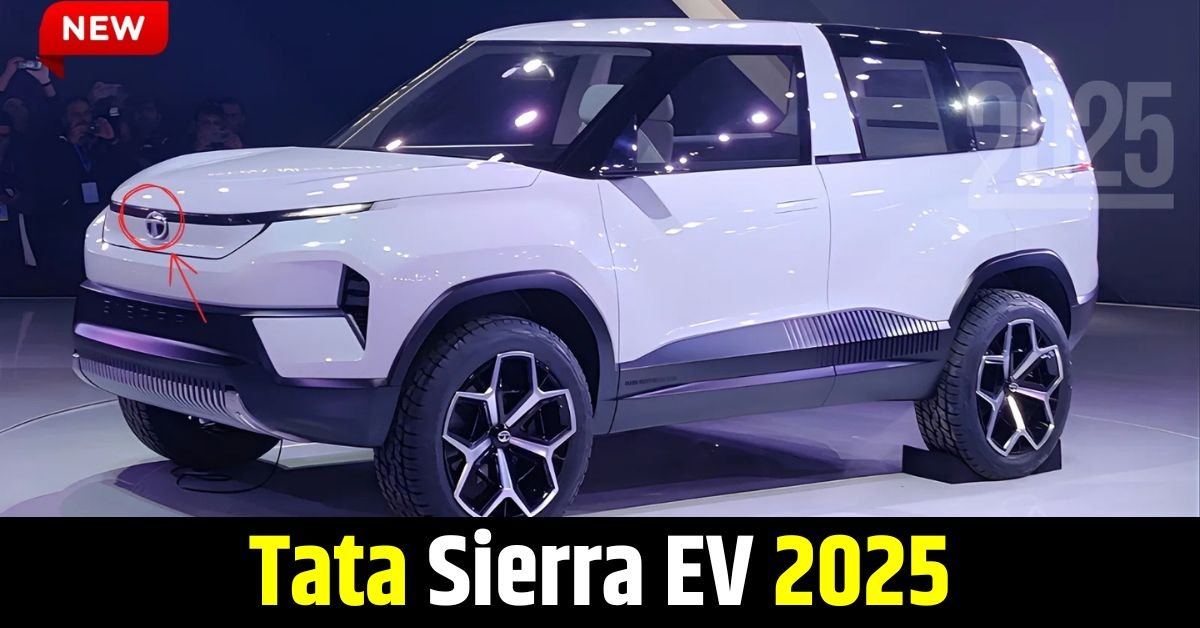

The comeback story of the decade isn’t happening in Bollywood or cricket—it’s unfolding in India’s EV market. The Tata Sierra, that boxy, rugged 90s icon everyone remembers from road trips and Doordarshan ads, is returning. Only this time, it’s electric, sleek, and engineered for a very different India. The Sierra EV isn’t just Tata Motors revisiting nostalgia; it’s the brand signaling how far Indian automotive engineering has evolved.
Design
The first thing that hits you about the Sierra EV is how confidently it blends old and new. Tata hasn’t simply slapped an electric motor into a vintage silhouette—it has reimagined the original design for modern tastes.
You still get the beloved wraparound glasshouse—a signature Sierra element that made it instantly recognizable on Indian roads decades ago. But now it’s surrounded by a completely contemporary exterior: sharp LED DRLs, a full-width rear light bar, sculpted cladding, and that signature Tata EV face with subtle futuristic cues.
The stance is muscular, the proportions are SUV-like without looking bulky, and the dual-tone paint finishes add a premium touch. Park it in your apartment basement and it’ll stand out even among cars twice its price. On highways, it has that quiet, confident look—almost concept-car-ish.
Powertrain
Tata Motors hasn’t spilled every spec yet, but what’s confirmed is that the Sierra EV will be built on the brand’s Gen 2 EV architecture—a more mature, more advanced version of the platform underpinning the Nexon EV and Punch EV.
Here’s what this means in real life:
- Better battery packaging
- Stronger structural rigidity
- More efficient cooling systems
- Higher range potential
- Improved performance tuning
Electric motors are known for instant torque, and the Sierra EV should be no different. Whether you’re merging onto a highway or darting through evening traffic in Mumbai, the power delivery will be clean, linear, and responsive.

No gear shifts, no engine vibrations—just that addictive EV surge.
Range and Charging 450–500 km
If there’s one number that will make buyers sit up, it’s this: 450–500 km claimed range. That’s not just competitive—it’s right in the zone where range anxiety stops being a daily headache.
Here’s what early expected specs look like:
| Feature | Details |
|---|---|
| Claimed Range | 450–500 km |
| Charging Type | Fast Charging Support |
| Battery Platform | Gen 2 EV Architecture |
| Motor Output | Instant Torque Delivery |
Fast-charging support means you can juice it up during a coffee stop and return home without doing mental math about kilometers remaining. For city users, it likely means charging once every four to five days—not bad for a full-size electric SUV.
Features
Tata’s cabin game has improved drastically over the years, and the Sierra EV seems determined to raise that bar yet again.
Here’s the wishlist that’s practically confirmed:

- A large touchscreen infotainment system
- Wireless charging
- Connected car tech with remote controls
- Fully digital instrument cluster
- OTA (over-the-air) updates
- Multiple drive modes
- Regenerative braking
- Ventilated seats
- Ambient interior lighting
- A panoramic sunroof stretching nearly edge-to-edge
The interior layout is minimalist—clean, airy, uncluttered. But it’s also warm and welcoming. Sustainability plays a big role too, with recycled materials used throughout the cabin without compromising the premium feel.
Interior Space
Step inside and you’ll understand the Sierra’s vibe: calm, bright, and open. The original Sierra was known for its massive side windows and lounge-like rear seating. The EV version channels this spirit with:
- Spacious seating for five
- Wide shoulder room
- Good under-thigh support
- Rear seats that feel almost sofa-like
- A panoramic glass roof that floods the cabin with light
For long drives, the comfort advantage is clear. For families—especially those with kids who love stretching out—this could be a major selling point.
Safety
Tata Motors has consistently scored high on crash safety, and the Sierra EV continues that momentum. Expected safety features include:
- Multiple airbags
- ABS + EBD
- Hill-hold assist
- Traction control
- Stability control
- ADAS (Advanced Driver Assistance Systems)
- Strong Gen 2 EV body structure
ADAS will likely bring lane assist, automatic braking, adaptive cruise control, and other advanced tech—making the Sierra EV one of Tata’s safest cars yet.
Performance
Electric SUVs often surprise traditional ICE drivers with how smooth they feel. The Sierra EV is expected to deliver:

- Quick off-the-line acceleration
- Quiet, composed cruising
- Balanced handling
- Suspension tuned for potholes and uneven roads
- Confident high-speed stability
Whether you’re navigating the chaos of Chandni Chowk or cruising on the Jaipur highway, the Sierra EV should handle it with ease. It’s not meant to be a sportscar—it’s meant to be refined, predictable, and enjoyable.
Price
The expected price range—₹25–30 lakh (ex-showroom)—puts the Sierra EV in a spot where it competes with premium EVs and top-end ICE SUVs. For a long-range electric SUV with this level of equipment, that’s actually competitive.
Launch offers, finance schemes, and state-level EV incentives could sweeten the deal even more.
Verdict
The Tata Sierra EV isn’t just a nostalgic revival. It’s a statement: Indian manufacturers can build electric SUVs that are stylish, capable, desirable, and future-ready.
With:
- Bold design
- A legitimate 450–500 km range
- Modern features
- A premium cabin
- Tata’s focus on safety
- And the emotional pull of an Indian icon
…the Sierra EV is shaping up to be one of 2025’s most anticipated launches.

If you want an electric SUV that offers personality, practicality, and heritage—this one deserves a spot on your shortlist.
FAQs
What is the expected range of the Tata Sierra EV?
Around 450–500 km on a single charge.
What is the expected price of the Tata Sierra EV?
₹25–30 lakh (ex-showroom).
Does the Sierra EV support fast charging?
Yes, fast charging is part of the expected feature list.
What features can buyers expect?
Panoramic sunroof, ADAS, touchscreen infotainment, connected car tech, digital cluster, and more.
Is the Sierra EV good for highway travel?
Definitely. Its long range and stable EV platform make it highway-ready.
